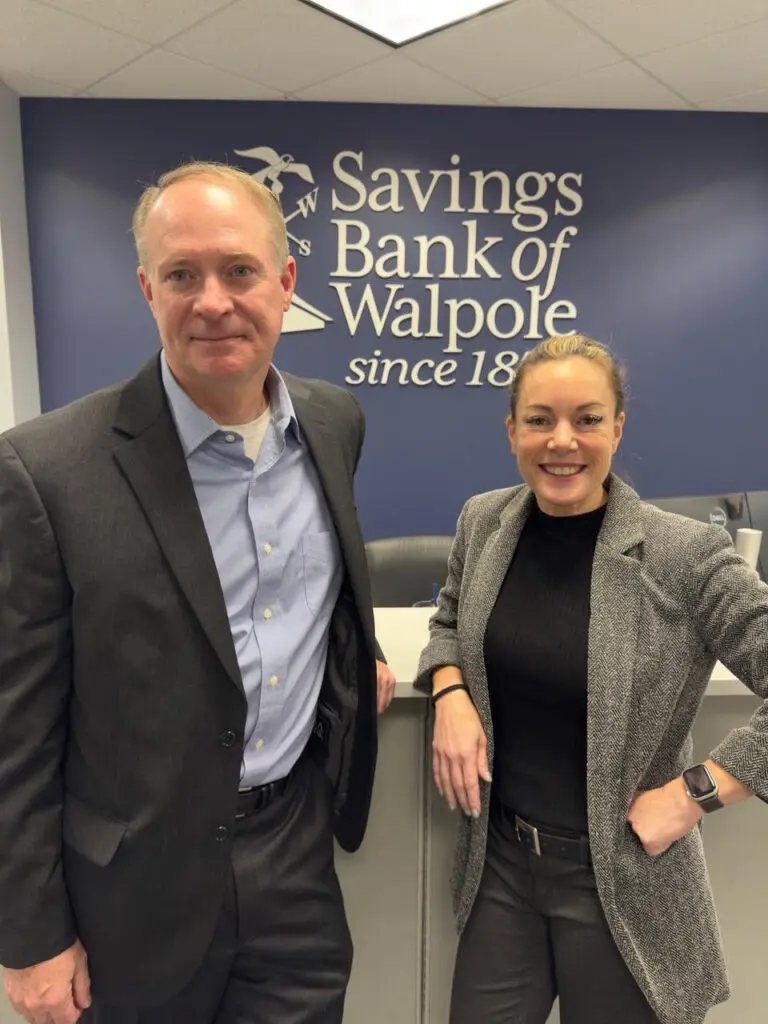
For the ninth consecutive year, Savings Bank of Walpole (SBW) has been recognized by American Banker magazine as one of the Best Banks to Work For in the United States. In the 2025 rankings, SBW earned the #44 spot overall and was ranked #25 among banks with assets under $3 billion.
“We’re honored to once again be included on this list, especially because it reflects the voices and engagement of our employees,” said Mark Bodin, President of Savings Bank of Walpole. “Being recognized nine years in a row is a testament to the workplace culture we’ve built, one rooted in trust, collaboration, and a shared commitment to our community. I’m incredibly proud to lead a team that continues to make SBW such a rewarding place to work.”

The Best Banks to Work For program, launched in 2013 by American Banker and the Best Companies Group, identifies and honors U.S. banks for outstanding employee satisfaction, workplace culture, and benefits. Rankings are based on a thorough evaluation of workplace policies and practices, as well as employee surveys.
SBW is one of only two New Hampshire-based banks to make this year’s list, continuing to stand out for its consistent performance and deep-rooted community focus.
The full results of the 2025 rankings are available online at AmericanBanker.com and in the November issue of American Banker magazine.
About Savings Bank of Walpole
With assets totaling $825 million, the Bank offers a wide range of financial products, including services to individuals, businesses and organizations. The Bank is affiliated with NH Mutual Bancorp, further enhancing the quality products and services it provides to customers.
The Bank is a partner of the NHTrust1 brand to better serve customers by providing localized trust and wealth management products and services. Savings Bank of Walpole is an equal housing lender, and member of the FDIC. For more information (603) 352-1822.
1Products and services made available through NHTrust are not insured by the FDIC or any other agency of the United States and are not deposits or obligations or guaranteed by the Bank and may lose value.